

Database Conversion Services
Modernizing Legacy Databases Without Disrupting Your Operations
Many organizations rely on legacy Excel workbooks, Microsoft Access databases, or aging internal systems that were never designed to scale.
Over time, these systems become:
Fragile and difficult to maintain
Performance-limited
Poorly documented
Dependent on one key individual
Risky for reporting or compliance
McDonald Web Development LLC specializes in structured, controlled database conversions that preserve business logic while modernizing the underlying system.

When Is It Time to Convert a Database?
Database conversions are often needed when:
Spreadsheets exceed tens of thousands of rows
Access databases are slow or unstable
Reporting is inconsistent across teams
Manual data corrections are common
Compliance or audit requirements increase
Leadership questions KPI accuracy
If your organization depends on the system but is hesitant to touch it, that’s usually a sign it needs attention.
What We Convert
We support migrations from:
Microsoft Excel → SQL Server
Microsoft Access → SQL Server
We also rebuild fragile reporting workflows using:
SQL-based reporting
Power BI dashboards
Structured KPI tracking
Our Conversion Philosophy
Database conversions fail when technology is prioritized over continuity.
Our approach focuses on:
Preserving existing business logic
Validating results against legacy outputs
Documenting schema and data structures
Minimizing operational disruption
Maintaining KPI consistency during transition
Technology changes. Business rules must remain intact.
Our Structured Conversion Process
Audit & Assessment
We review your current database or spreadsheet environment to understand:
Structure and relationships
Business rules and calculations
Dependencies and workflows
Risk exposure
This phase results in a clear migration plan.

Schema Design
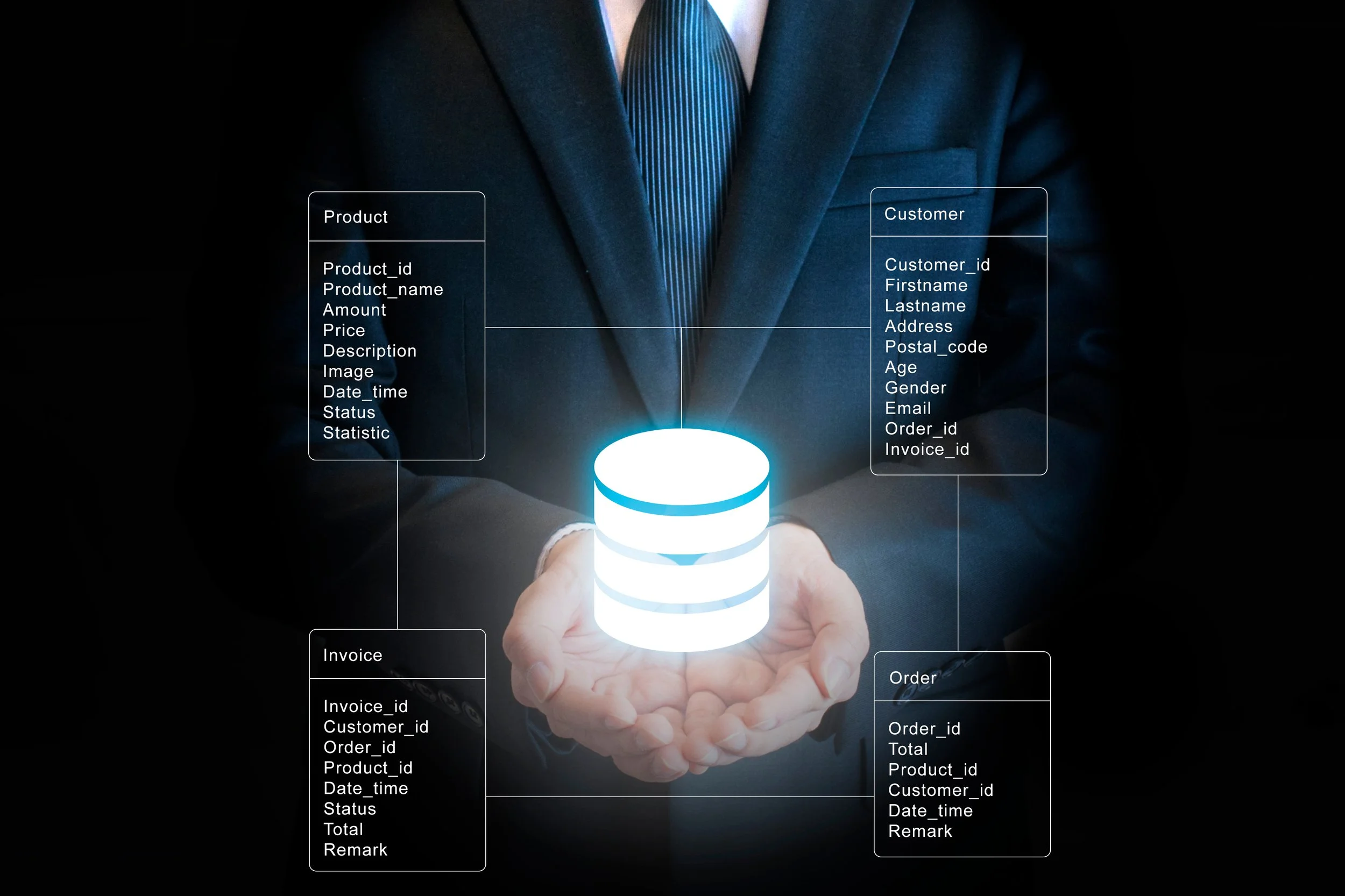
We design a clean, documented SQL schema that:
Reflects current business logic
Eliminates redundancy
Improves data integrity
Supports future scalability
Documentation is built into this phase.

Data Cleanup & Migration
We:
Clean and standardize historical data
Transform data into normalized structures
Load into the new SQL environment
Validate row counts, totals, and KPIs
Accuracy is verified before transition.
Parallel Validation
Legacy and new systems are run side-by-side to ensure:
KPI totals match
Reports reconcile
Business logic behaves as expected
We do not retire legacy systems until trust is established.
Reporting Modernization
We rebuild reporting workflows using:
SQL-based queries
Power BI dashboards
Structured KPI reporting
The goal is not just migration — but improved reliability.

Transition & Ongoing Support
After migration, we provide optional monthly support to:
Monitor data accuracy
Handle change requests
Update reporting logic
Maintain system documentation

Who This Service Is For
Database conversion services are ideal for:
Real estate brokerages managing large listing datasets
Operations teams using Excel as a database
Finance teams running reporting in Access
Government and compliance-adjacent organizations
Growing companies outgrowing ad-hoc systems
If inaccurate data would affect funding, revenue, or compliance, modernization matters.
Why McDonald Web Development LLC
This work is informed by over six years of experience supporting production data environments — including publicly traded organizations and private companies operating under government contracts.
In those environments:
Reporting accuracy was critical
KPI dashboards informed operational decisions
Documentation and reliability were non-negotiable
That standard carries into every database conversion engagement.

Start With a Database Assessment
Before making changes, the safest step is understanding your risk exposure.
Schedule a database audit to determine:
Whether stabilization is sufficient
Whether migration is necessary
The safest path forward
Reliable data systems begin with clarity.